- The Overhead Athlete's Edge
- Posts
- The Overhead Athlete's Edge
The Overhead Athlete's Edge
Navigating Impingement: A Catch-All term in Shoulder Diagnosis

Dr. Sam Bell DPT, MS, ATC, PES, PN-1
November 18, 2024
Dear Readers,
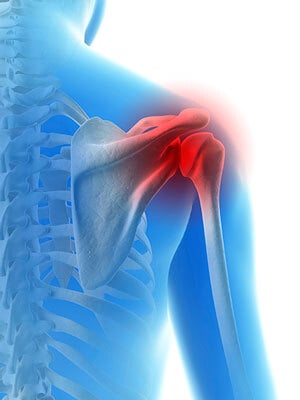
Welcome to this week's edition of The Overhead Athlete's Edge, where we dive into one of the most common and often misunderstood diagnoses in shoulder care: shoulder impingement. While many athletes and clinicians alike may see "impingement" as a catch-all diagnosis for shoulder pain, it's important to understand that impingement is not the problem itself—it's a symptom of something deeper going on.
Just like a runny nose signals that something more is happening in the body, shoulder impingement indicates that the underlying mechanics of the shoulder are off track. This week, we’ll take a closer look at why impingement shouldn’t be treated as a standalone diagnosis and how identifying the root cause of the symptom is key to effective treatment. We'll also spotlight two distinct types of impingement that can occur in overhead athletes—internal and external impingement—and explore the differences between them to better understand how they impact performance and recovery.
In Focus: Categorizing Your Impingement Diagnosis
What is the Cause of Impingement? The answer simplified, altered biomechanics through the shoulder joint leading to a structure (likely a tendon) being trapped, or impinged, in an area it doesn’t belong. Specifically, the ball of the upper arm (the humerus) doesn’t stay in the right position in the shoulder socket, especially when the arm moves overhead.
There are a few reasons this might happen:
The rotator cuff muscles may be weak or injured - it’s the job of the rotator cuff muscles to keep the head of the upper arm down in the socket and not hit the roof of the shoulder.
The shoulder joint capsule might have too much or too little flexibility.
The shoulder blade (scapula) might not move correctly when the arm lifts.
The spine may not have enough mobility, causing the shoulder to move too much or too little in certain directions.
Overuse may lead to irritation and swelling, altering the position of shoulder structures and/or causing an athlete to change throwing mechanics
To tailor an effective rehab program for overhead athletes, it's important to differentiate between external and internal impingement, as each type requires a distinct approach to treatment and recovery. There are three key factors we consider when treating an athlete with an impingement diagnosis: pathology (what is happening in the shoulder), symptom presentation, and structures involved.
External Impingement: “Subacromial Impingement Syndrome”
What is Happening: The Supraspinatus tendon (one of your rotator cuff muscle tendons) and bursa (fluid filled sac used for cushioning the joint) get trapped between the acromion (roof of your shoulder) and the humeral head (the ball of the upper arm).

This compression or pinching causes pain and inflammation, resulting in difficulty and discomfort raising the arm overhead between 60-120 degrees in what medical professions call a “painful arc.” Over time, repeated overhead motions cause the tendons and the bursa (a fluid-filled sac) to become irritated and inflamed.
Symptom Presentation: Pain towards the top and outside of the shoulder
Structures Involved:
Subacromial Bursa
Supraspinatus Tendon (rotator cuff muscle)
Long Head of the Biceps Tendon
External impingement typically affects people from all walks of life who engage in overhead activity. Age also plays a significant role, with individuals over 40 being more susceptible due to natural wear and tear of the shoulder structures. Additionally, people with certain anatomical variations in their acromion or those who have developed bone spurs may be predisposed to this condition.
Internal Impingement
Internal impingement is more specific to overhead athletes, especially baseball pitchers. Unlike external impingement, internal impingement occurs deep within the shoulder joint, affecting the posterior labrum and the underside of the rotator cuff.
What is Happening: Internal impingement results from the repetitive extreme external rotation and abduction that occurs during pitching. When a player winds up and releases the ball, the back of the rotator cuff gets pinched between the greater tuberosity (the top of the arm bone) and the glenoid (the socket of the shoulder blade). Over time, this can lead to damage to both the labrum and the rotator cuff.

Symptom Presentation: Deep pain towards the back of the shoulder
Structures Involved:
Rotator Cuff Tendons, particularly the Supraspinatus and Infraspinatus tendons
Posterior Labrum - The cartilage ring that surrounds the shoulder socket, providing stability
Anterior & Posterior Capsules of the Shoulder
Expert Insights: Exam Findings and the Road to Rehab
Both injuries are common in baseball due to the sport's reliance on repetitive overhead motions. With proper care from a sports performance physical therapist, and a guided return to play and throwing program, athletes can typically manage impingement-related symptoms and ultimately return to peak performance.

Check out these two great articles discussing the different types of impingement and treatment implications.

Technique Spotlight: Optimizing Shoulder Mobility in Athletes with Shoulder Impingement
In overhead athletes, repetitive throwing can lead to tightness in the posterior capsule of the shoulder, as these athletes present with extreme ranges of external rotation and limited internal rotation at the shoulder (especially compared with the non-throwing side). This tightness through the posterior capsule of the shoulder can be a major precipitating factor for internal impingement. The sleeper stretch can be a great way to address posterior capsule tightness in athletes with internal impingement. While the sleeper stretch used to be widely prescribed for pitchers and other overhead athletes on a general basis, I now prescribe it just a few times per year, in conjunction with a more nuanced approach. It is important to note that performing the stretch incorrectly or when it is not indicated for rehab can create instability in the shoulder.
Check out this technique of self-mobilizing the posterior shoulder muscles and tendons with a lacrosse ball. Take special notice to the movement of the arm while we are putting pressure through the ball.
Ask the Expert: How Likely is it that Impingement will be a Recurring Issue in Competitive Baseball Players?
The short answer is, it depends. If we can address the issues that led to the impingement in the first place, and are consistent with long term arm care, then the likelihood of recurrent impingement keeping an athlete sidelined is relatively low.
First, we need to be smart with our reps of overhead throwing especially at high velocities. When our muscles fatigue, our mechanics are off, potentially resulting in impingement. Also to consider, with consistent overuse, tendons and the bursae may become inflamed, increasing the likelihood of getting trapped. If you can manage pitch count, respect rest days, and take advantage of low volume during the off season, the likelihood of recurrence decreases dramatically.
Second, we need to respect underlying structural issues, such as bone spurs, labral tears, rotator cuff pathology, among others. Our arm care approach and targeted rehab will look different depending on what structures we want to stress. If we don’t address structural changes or coexisting injuries, impingement is more likely to recur.
Third, did you seek high-quality baseball-specific rehab in returning to play after your shoulder impingement diagnosis? A run of the mill PT clinic will typically give you a series of theraband exercises to engage your rotator cuff muscles, and some general shoulder mobility and strengthening exercises, but THIS IS NOT ENOUGH for a competitive player. You need to correct baseline mechanics and strength of the scapula and shoulder. Then you need to correct throwing mechanics, addressing the WHOLE body and how to maximize the transfer of force. You need to do baseball-specific mobility and stability, incorporating baseball training activities into your workouts.
Lastly, do you keep up with your arm-care program and mobility work on a consistent basis for the long term? Once you have an injury, you must ALWAYS continue to take care of the injury site even years later to prevent recurrence. Continue to do an adequate warm up and post-game recovery every time you get out on the field. This is especially important for pitchers, who will naturally have a higher incidence of recurring impingement due to the nature of the game.
Success Story: Overcoming Adversity
Meet Ryan, a college freshmen baseball pitcher. He came to us earlier this fall with pain in the back of his shoulder and suspected impingement. He had played his spring season, pitching in the starting rotation for his high school and then went right into playing summer ball. Ryan had a few weeks break at the end of the summer, getting in the gym when he could, then started right up with fall ball with his college team. With the increased intensity of college ball and inadequate rest, Ryan started to feel pinching in the back of his shoulder within his first few mound appearances. Over the next few games, he noticed a steady drop in his velo.
For the first two weeks, Ryan didn’t throw off of the mound. Rehab focused on thoracic mobility, posterior capsule stretching, rotator cuff strength, optimal movement of the shoulder blade, and shoulder stability. After Ryan was able to to achieve full shoulder motion without pain or pinching, we started his throwing program, ramping up for an additional two weeks. At 4 weeks he returned to pitching against live hitters in practice. Ryan is now set to finish his fall strong, and is expected to pitch in the remainder of his exhibition and intersquad games.
Stay Connected: Join Our Community
Connect with our vibrant online community of fellow overhead athletes, coaches, and sports enthusiasts by giving us a follow on Instagram @TheTrainingRoomOC. Share your experiences, seek advice, and stay updated on the latest developments in sports performance physical therapy for overhead athletes. Together, we can elevate our performance and achieve new heights in our respective sports.
Closing Note:
Thank you for embarking on this journey with us through the world of sports performance physical therapy for overhead athletes. We hope you found this weeks issue of "The Overhead Athlete's Edge" insightful and empowering. Stay tuned for more valuable information and inspiration in our next edition. Until then, keep honing your skills, pushing your limits, and trusting the process!
Best regards,
Dr. Sam

